Why invest at all?
Money sitting in a standard UK savings account typically earns less than inflation, meaning it loses real-world value over time. Investing in a diversified portfolio of shares or funds has historically returned 7–10% per year on average over long periods, though past performance doesn't guarantee future results.
This guide is not financial advice. It is an overview of the tools available and how they work. Before investing, make sure you have 3–6 months of expenses saved in cash first, you should only invest money you won't need for at least 5 years.
Start with a Stocks & Shares ISA
A Stocks & Shares ISA is a tax-efficient investing account, any gains and dividends are completely free of UK tax. You can contribute up to £20,000 per tax year. This should be your first investing account in the UK.
All the apps below offer ISA accounts. Open one, set up a regular monthly contribution (even £25/month is a start), and choose a simple global index fund to invest in. Time in the market beats timing the market, start early and add consistently.
Realistic returns, no hype
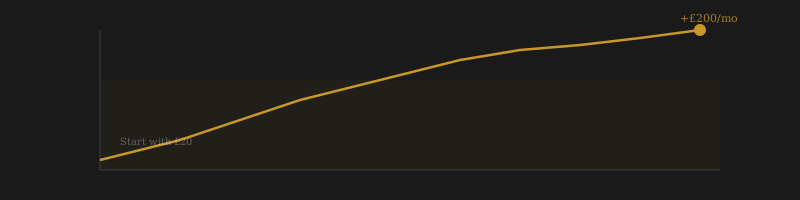
Investing is a long game. £200/month invested consistently at a 7% average annual return grows to roughly £24,000 after 10 years, and £52,000 after 20 years, compared to £48,000 if you'd just kept it in cash. The power is in time and consistency, not picking winning stocks.
Don't invest in individual stocks as a beginner. Buy a global index fund (like the Vanguard FTSE All-World ETF) and leave it alone. It's less exciting and significantly more effective than stock picking for most people.
Important: the value of investments can go down as well as up. You may get back less than you invest. This is not financial advice, if you are unsure, speak to a qualified financial adviser.